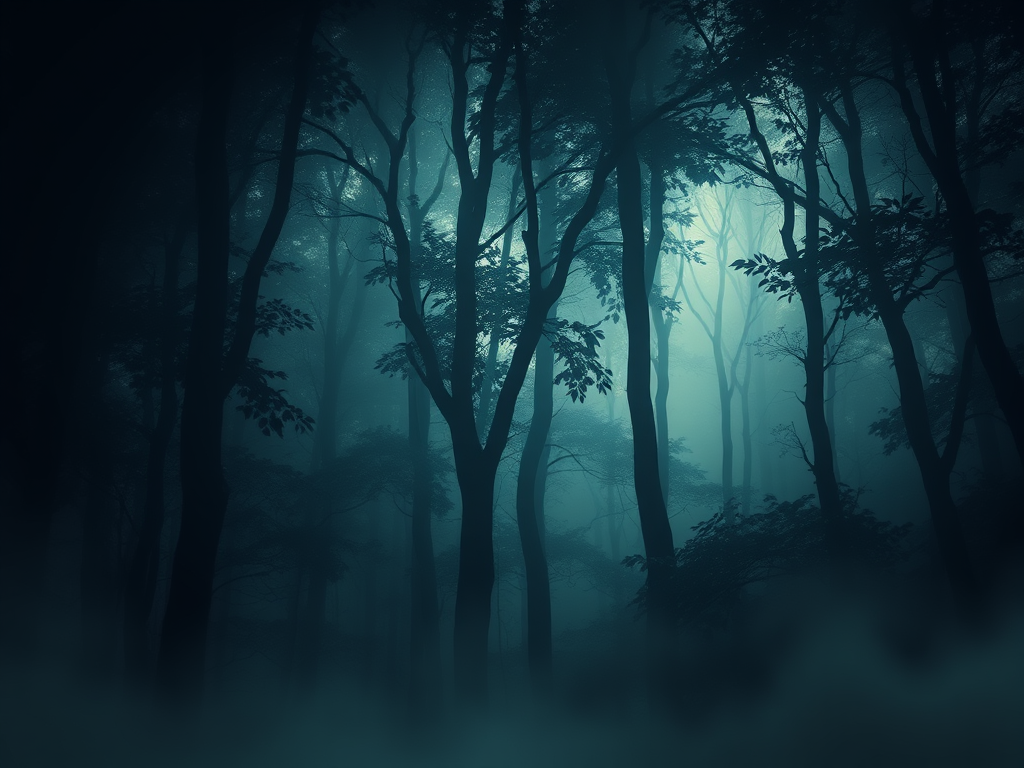
What is Story Tone?
Notice how none of these story elements stand alone?
Don’t just design a setting.
Don’t just assign a point of view.
Don’t just invent a flaw and tack on a theme.
Instead:
Start with character.
Then build a setting that exposes them.
Use setting to highlight their flaw, test their worldview, and deepen your theme.
From there, tone emerges naturally.
Tone = attitude.
Think about a parent coming home in a bad mood. They tell you to get up and clean your mess. You respond with a similar tone to theirs, because they set the mood for the tone, but then they say:
“Don’t you take that tone with me!”
What’s your character’s attitude toward the world?
And what’s the story’s attitude toward your character?
That’s tone.
Mood can help, but mood is a feeling, an emotional state.
Tone is a stance.”
Cynical? Hopeful? Fearful? Wistful?
Your setting, filtered through your character’s perspective, sets the tone.
Think of Gatsby’s glittering world as seen through Nick’s quiet suspicion.
Or Pandora in Avatar, awe-inspiring but under threat, just like Jake Sully’s conscience.
Use setting to reveal attitude, not just atmosphere.
That’s how you design a tone that resonates.
Happy Writing!
Discover more from Story Structure Studio: Device and Design...
Subscribe to get the latest posts sent to your email.
 Story Structure Studio: Device and Design...