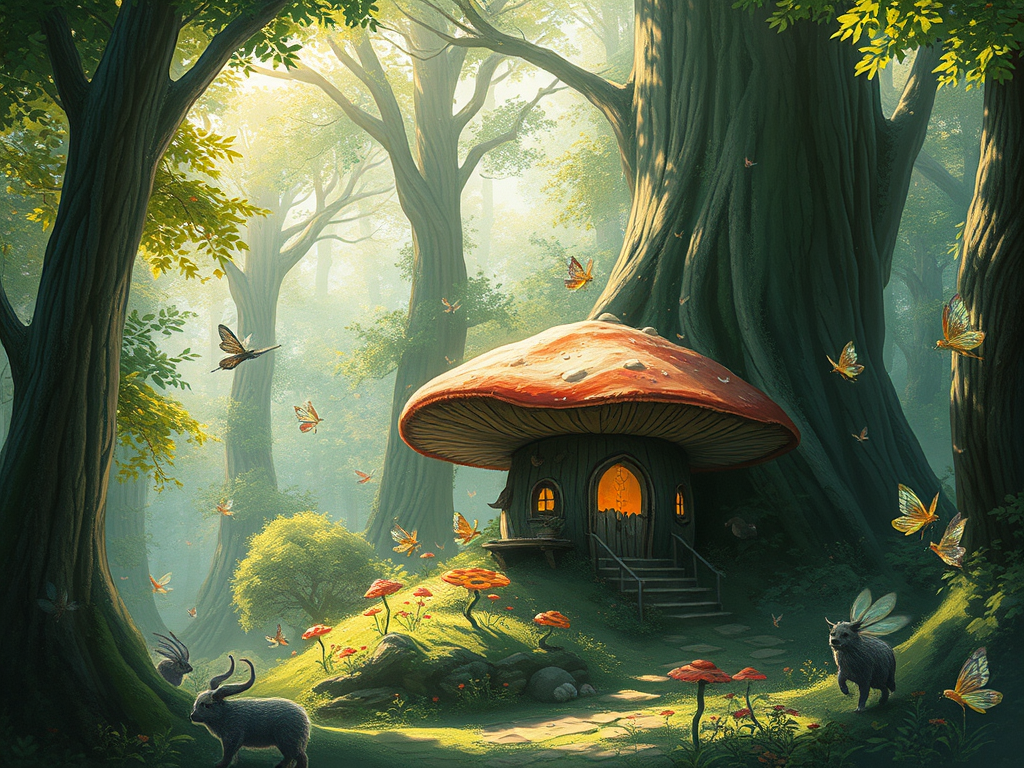
Setting is never just where the story happens.
Great stories don’t just pick a setting with no underlying purpose; they’re designed with intention. When your story’s setting becomes a symbol, it slowly helps to reveal the theme. It can reflect both the character’s inner world and the transformation (or destruction) to come, or even the greater social commentary beneath it.
The Great Gatsby
In Fitzgerald’s novel, the setting is saturated with symbolism:
East Egg vs. West Egg symbolizes old money vs. new money. It’s not just geography—it’s class, legacy, and the rot beneath wealth.
The Valley of Ashes symbolizes moral decay, spiritual emptiness, and the human cost of greed.
The green light at the end of Daisy’s dock? A literal location tied to Gatsby’s impossible dream.
The physical world mirrors the emotional one.
The environment is dripping with meaning.
James Cameron’s Avatar
Pandora is more than a planet; it symbolizes harmony, interdependence, and a spiritual oneness with nature.
The Tree of Souls signifies ancestral memory, divine connection, and cultural identity.
The military base and drilling equipment stand in stark opposition, symbols of exploitation, colonialism, disconnection, and greed.
Every visual, every space, every color is designed with emotional resonance and thematic purpose.
Your Turn: Design Setting with Symbolism in Mind
Ask yourself:
What does your setting represent emotionally or spiritually?
How can a geographical setting mirror the character’s arc?
What visual elements in the setting’s environment echo your theme?
Don’t just create a place with no meaning. Let the setting speak for your story.
Happy Writing!
~ M.C. Convery
Discover more from Story Structure Studio: Device and Design...
Subscribe to get the latest posts sent to your email.
 Story Structure Studio: Device and Design...