Story Character
When it comes to designing your story, the first decision isn’t what happens. It’s who it happens to.
At Story Structure Studio: Device & Design, I treat story design not just as structure, but as style. That starts with character.
Start with the Arc
Before sketching out traits or quirks, you need to know your protagonist’s arc:
- Do they change?
- What do they want?
- What do they need?
- Will they grow (positive arc), fall (negative arc), or stay strong and steadfast (flat arc)?
If you’re not sure about story arcs, check out my Story Arc Series in the Structure Category.
This arc becomes the spine of your story’s emotional journey. Without it, you’re just plotting events, not building meaning.
Then Comes Character Design:
Once you know the shape of your character’s growth (or fall), you can start to design them more deliberately.
This is the point where characterization goes beyond internal motivation. It begins to shape how the reader and other characters perceive the character within the story.
The most effective way to do that?
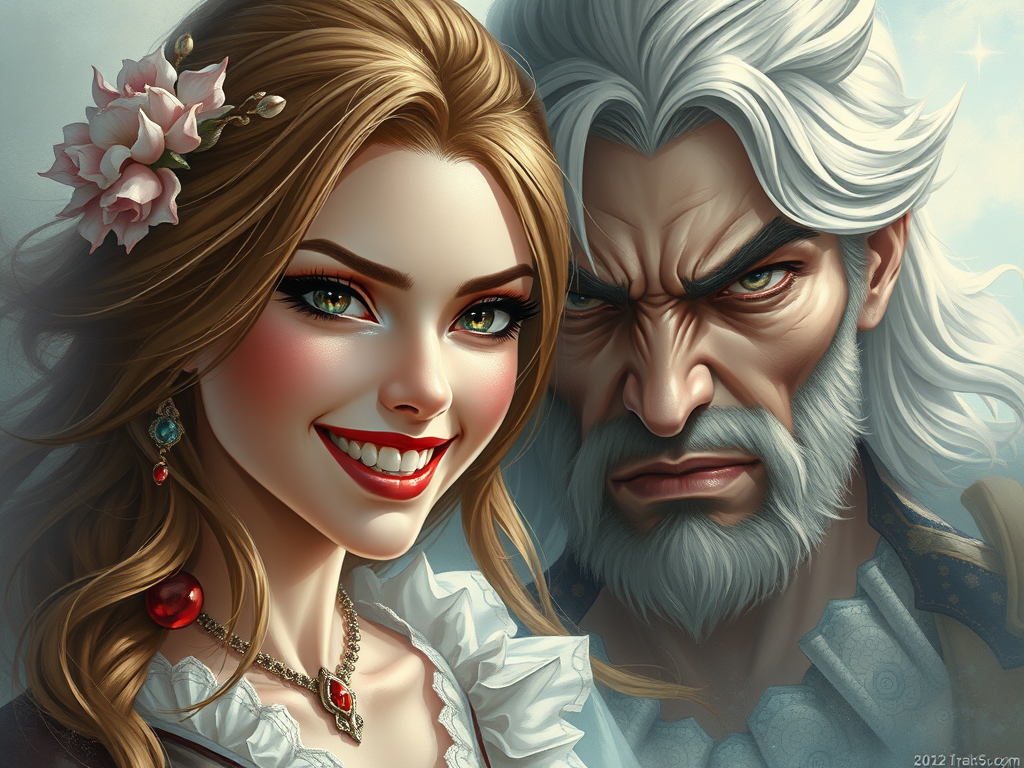
Juxtaposition:
Juxtaposition is your secret design weapon. It allows you to highlight a character’s core traits, not by telling the reader, but by placing them in relationship with others.
- Have a brave character? Set them against someone fearful, hesitant, or passive.
- Have a prideful, self-centered character? Give them a companion who is humble and generous.
- Is your protagonist impulsive? Pair them with someone methodical.
- Do they always speak their mind? Let them clash with someone who hides behind politeness.
By contrasting positive and negative traits, you automatically create tension and definition. Traits are revealed more sharply when they stand in contrast.
The First Step in Character Design
So here’s your first design assignment:
1. Define your protagonist’s most important positive and negative traits.
2. Design at least one secondary character whose personality reflects the inverse or opposite.
3. Watch how this contrast brings your main character into sharper focus.
Character juxtaposition doesn’t just strengthen your protagonist; it builds your supporting cast with intention. And that’s how we start crafting fiction with design in mind.
Every Wednesday, we’ll continue deep-diving into the core elements of fiction. We’ll start with character and then expand into setting, tone, dialogue, and beyond.
Because great stories aren’t just built. They’re designed beautifully.
Happy Writing!
Discover more from Story Structure Studio: Device and Design...
Subscribe to get the latest posts sent to your email.
 Story Structure Studio: Device and Design...
One thought on “Designing Story Through Character: Where Story Begins”