
What is the Definition of a Story?
Plot is not story, and story is not plot. If you don’t know the difference, your “story” is doomed from the get-go, and structure means nothing!
Welcome to the Story Arc Series…
So, what is the definition of a “story”? And what defines a “plot”?
Knowing this simple difference will elevate your writing to new heights.
Simply put, the definition of a story is: A character who wants something but must go through obstacles to get it. So a story, in simple terms, is about a character who wants something, and the obstacles they go through is the plot.
Think of the story as a straight line:
______________________________story
Now add curves, peaks, and valleys to that line. You’ve included the plot. It is the rising and falling action of each scene, sequence, and act of the story. In other words, these are the obstacles the character who wants something faces to get it…
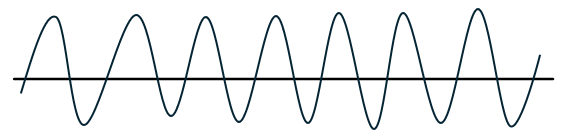
That line is known as your storyline, through line, or “spine” of your story. It’s what holds the story together as you’re plotting. That through line should be the basis for every scene, sequence, and act of your story. If not, you’ll find your writing becomes episodic.
Another important aspect to remember about your story is that your character must learn what they “need.” This is essential for them to get what they “want.” Need refers to an internal change, while want refers to an external wish that results in change.
Nevertheless, by the middle of your story, the character should face a realization. They should learn something about themselves that needs work. Maybe they need to stop lying to get what they want. Maybe they need to learn to let go of things they are afraid to lose to get what they want. Maybe they need to let go of anger to get what they want. You get the picture?
There are so many things a character can learn, because ultimately, character need is the theme of the story. And so character want and need go hand in hand.
Once they learn what they need at the midpoint, the character applies this new lesson. They need to practice it throughout the rest of the story. And it’s not always easy to do. There will be failures upon failures in applying the newly learned lesson.
But by the time the climax happens, they better have mastered the thing they needed to learn. This mastery is crucial to win at the climax. Otherwise, it becomes a tragedy. They lose and do not get what they wanted.
Make sure you up the stakes after the midpoint. Make it increasingly difficult for the character to apply the newly learned lesson. They need this lesson to accomplish each scene goal. This continues until they reach the ultimate climax. That is where the story stake gets real. What’s at stake if they lose? Make it big!
Use the following storyline prompt and keep it with you throughout the writing process. This way you won’t get lost along the way:
MY STORYLINE
CHARACTER: (Who are they, describe them, their setting, and the ordinary world)
___________________________________________________________________________________________________________________________________________________________________________________________________________________________________________________________________________________
WANT: (What do they want more than anything? Maybe something happened in their ordinary world that created the want.
___________________________________________________________________________________________________________________________________________________________________________________________________________________________________________________________________________________
NEED: (What do they need to learn about themselves and their interaction with others? At the midpoint of the story, they should have realized that they needed this, and will have to practice this new trait until the climax.)
____________________________________________________________________________________________________________________________________________________________________________________________________________________________________________________________________________________
OBSTACLE: (What obstacles will they face to get what they want? In the first half of the story, they don’t know what they need, but that’s why they keep failing. Once they realize what they need, they practice the new trait. It’s difficult, but they’re learning and preparing themselves for the climax.) THIS IS PLOTTING
____________________________________________________________________________________________________________________________________________________________________________________________________________________________________________________________________________________
STAKES: What’s at stake if they don’t learn what they need to learn to get what they want? And what’s at stake if they don’t get what they want?
___________________________________________________________________________________________________________________________________________________________________________________________________________________________________________________________________________________
Here’s an example from the Disney movie, Finding Nemo:
When his son is swept out to sea, an anxious clownfish embarks on a perilous journey across a treacherous ocean to bring him back.
Let’s break this down into the storyline organizer above:
Character: A clown fish named Marlin…
Wants: to find his lost son, Nemo, but he must learn that he…
Needs to begin to let go and allow Nemo to grow and trust him if he wants to get his son back. He must face his fears by leaving his safe reef and travel across the dangerous ocean, facing many…
Obstacles: to find his son, and learning to trust along the way because the…
Stakes: are that if he doesn’t learn his lesson, he will lose his son forever.
So there you have it, the story in a nutshell.
Write your storyline out, then look at your obstacles and stakes and plot them out so you can create a cohesive story that revolves around the character’s need – the theme of the story.
Did Marlin get what he wanted because of the lessons he needed to learn?
This is the nature of a story, but with one caveat… are you writing a positive change arc (a happy ending)?
If not, follow my next blog. We’ll tweak the storyline to fit the negative change arc story, also known as a tragedy…
Feel free to leave a comment if this blog helped you plan your story.
Happy writing!
Discover more from Story Structure Studio: Device and Design...
Subscribe to get the latest posts sent to your email.
 Story Structure Studio: Device and Design...
2 thoughts on “Story vs. Plot: Know the Difference Before You Outline through Structure”